Before Thekkady Became a Tourist Destination, What Was It Like?
September 29, 2026
Today, the name Thekkady brings certain images to mind almost immediately: forest trips, Periyar Lake, spice gardens, cool mornings, busy roads around Kumily, and travelers arriving with cameras and weekend plans.
But imagine removing all of that. No sightseeing schedules. No travel reviews. No queues for activities. No shops selling souvenirs to visitors. No one searching online for the best time to visit.
What would Thekkady have felt like then?
The answer takes us to a very different landscape, one where the forest was not an attraction, the mist was not something to photograph, and many of the paths through the hills existed because people needed them, not because travelers wanted to explore them.
When the Forest Was Simply the Forest
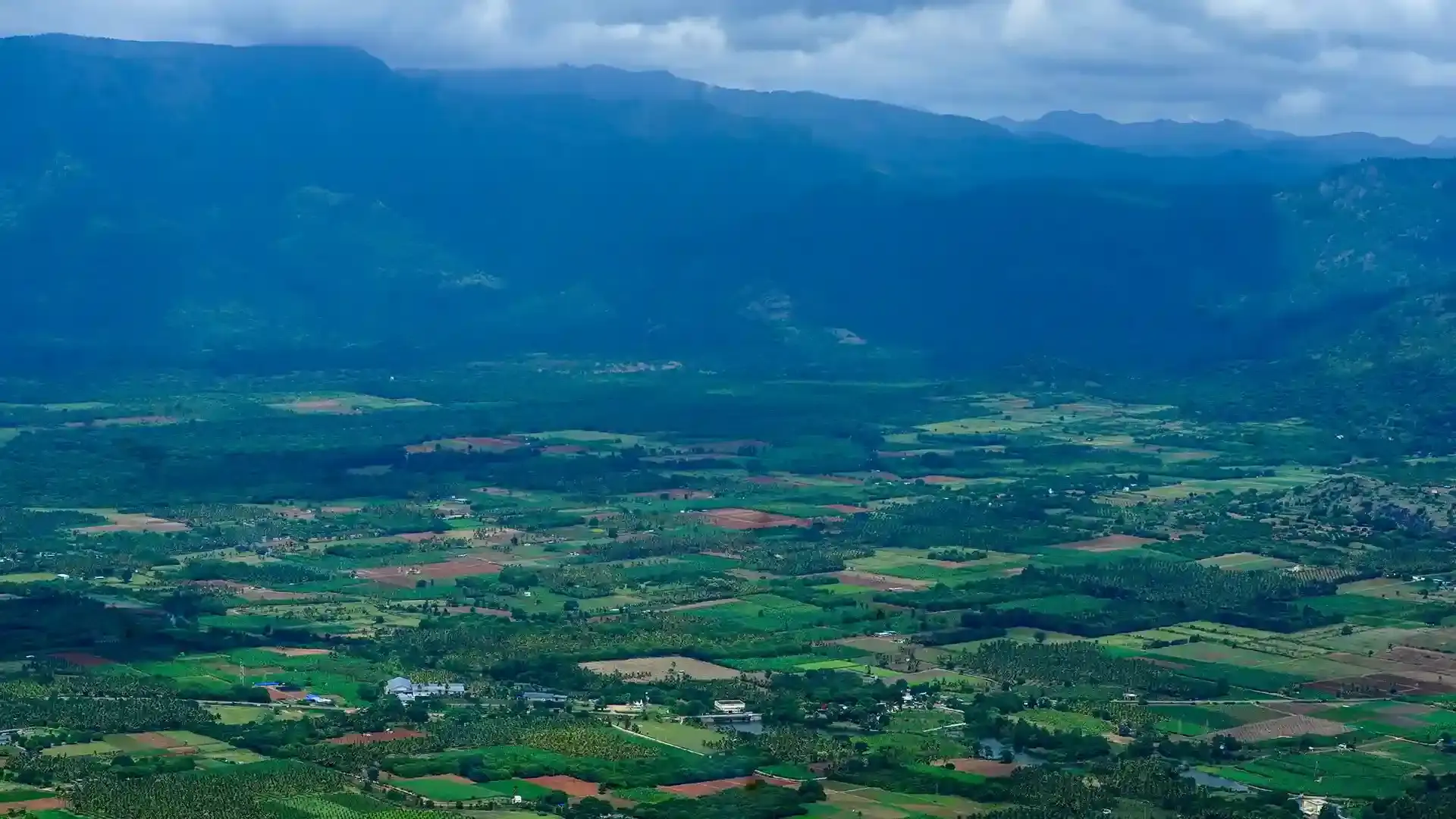
Long before Thekkady became associated with tourism, the forest was part of everyday geography. The Western Ghats around present-day Thekkady contained thick evergreen and semi-evergreen forests, grasslands, streams and wildlife habitats. Elephants, deer and many other species moved through a landscape with far less human movement than visitors see today.
For people living in and around these high ranges, the forest would not have been viewed through the modern idea of a "wildlife experience." It was a living environment, beautiful, useful, unpredictable and sometimes dangerous.
There is something fascinating about that difference. Today, we enter a forest hoping to see an elephant. In an earlier time, encountering one unexpectedly could mean changing your route.
There Was a Thekkady before Periyar Lake
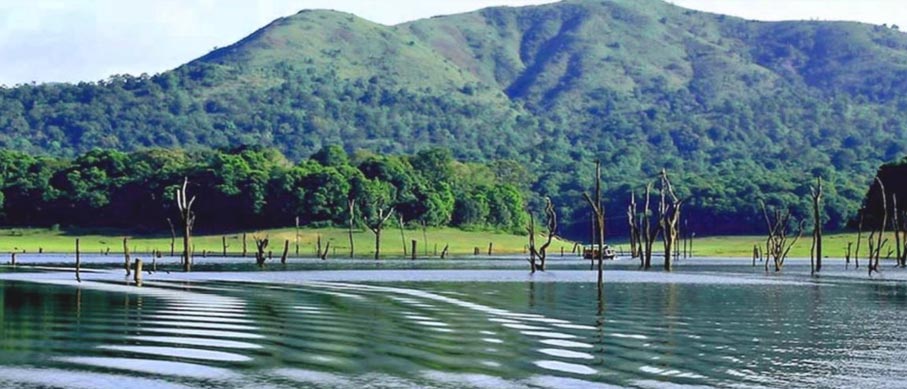
One of the strangest things to imagine is Thekkady without the lake that now seems inseparable from it. Periyar Lake is not an ancient natural lake. It emerged after the construction of the Mullaperiyar Dam across the Periyar River in 1895. As water spread into the surrounding landscape, it created the reservoir that would eventually become one of the region's most recognizable sights.
The old landscape beneath and around that water would have looked very different. Valleys, vegetation and parts of the earlier terrain were transformed as the reservoir took shape. Even today, the dead tree trunks rising from the water in parts of the lake create an unusual reminder that the landscape has a history beneath its surface.
That makes a modern visit to Periyar more interesting. You are not simply looking at a lake. You are looking at a landscape that changed dramatically more than a century ago. The official Kerala Tourism information on Periyar Tiger Reservenotes that the artificial lake was formed following the construction of the Mullaperiyar Dam in 1895.
Before Roads Became Easy, Distance Felt Different
Today, a traveler can look at a map and think of distance in kilometers and driving time. Earlier generations experienced distance differently. The hills, forests, steep terrain and heavy monsoon rains made movement slower and more demanding. A place that appears close on today's map could once have required considerable effort to reach. Paths had a purpose. They connected settlements, plantations, markets and working communities. People travelled because something needed to be carried, sold, collected or delivered.
This is one reason the history of nearby Vandiperiyar is closely connected with the movement of people and produce through Kerala's high ranges. The story becomes clearer when you explore the history of Vandiperiyar and its old trade connections.
Imagine those routes before buses, tourist vehicles and navigation apps: mist arriving suddenly, rain changing the condition of a path, and a journey being measured not only by distance but also by terrain.
The Smell of Thekkady May Have Been Familiar Long Before Its Name Was Famous
There is another side of old Thekkady that is easier to imagine with your senses than with a map. Cardamom. Pepper. Damp soil. Wood smoke. Tea. Rain on leaves. The high ranges surrounding Thekkady and Vandiperiyar became deeply connected with plantation life and spice cultivation. For generations of people who lived and worked here, these were not "plantation experiences." They were livelihoods.
Cardamom did not exist for a tourist to crush between their fingers and smell. Pepper vines were not interesting backgrounds for photographs. Crops had to be grown, harvested, sorted, transported and sold. That distinction matters.
Much of what visitors now experience as the character of Thekkady grew from ordinary working life. If you have ever wondered why spices feel so inseparable from this region, the story continues in exploring the Spices of Thekkady
Nights Must Have Felt Much Darker
This may be the hardest part of old Thekkady for a modern visitor to imagine.
Darkness.
Today there are houses, vehicles, shops, hotels and streetlights across inhabited areas around Thekkady and Kumily. Even when you stay close to nature, artificial light is rarely very far away. Now imagine a night with almost none of it. Once daylight disappeared behind the hills, the landscape would have changed completely. Forest sounds would become clearer. Insects, frogs, wind, rain and distant animal calls would occupy the darkness. There would be fewer reasons to remain outside late. And without the glow of towns and traffic, the sky itself would have looked different.
Perhaps one of the biggest changes tourism and development brought to Thekkady was not something that arrived during the day. It was light after sunset.
Wildlife Wasn't Waiting to Be Seen
Modern travelers often ask the same question before entering Periyar:
"Will we see elephants?"
Earlier communities would probably have understood wildlife very differently. Wild animals were neighbors in the broadest sense of the word. Their movements mattered. People working close to forests had to understand animal behavior, seasonal changes and the signs that animals had recently passed through an area.
Eventually, attitudes towards the forest changed significantly. According to Kerala Tourism, the area was used as hunting grounds by Travancore royalty during the 18th and 19th centuries. In 1934, the lake reserve became the Nellikkampatty Game Sanctuary. It later developed into Periyar Wildlife Sanctuary and subsequently became part of India's tiger conservation programme. The forest gradually moved from being a landscape used by people in different ways to one increasingly defined by protection and conservation. That transition helped shape the Thekkady visitors know today.
Thekkady Was Not "Quiet" to the People Who Lived Here
We often describe places without large towns or traffic as quiet. But old Thekkady probably wasn't silent at all. Its soundtrack was simply different.
Rain striking broad leaves. Cicadas beginning together. Birds calling before sunrise. Water moving through streams. Workers talking across plantation slopes. Tools being used. Produce being carried. Wind moving through tall trees. The absence of engines does not mean the absence of sound.
Perhaps that is one of the most interesting ways to think about Thekkady before tourism: it was not an empty wilderness waiting for travelers to discover it. It already had its own rhythm.
Then Outsiders Began Coming for the Things Locals Considered Ordinary
At some point, the meaning of the landscape began to change, the cool climate became an attraction, the forest became something people wanted to enter, wildlife became something people hoped to photograph, plantations became places visitors wanted to walk through, mist became part of the experience, and the lake became something people travelled hundreds or thousands of kilometers to see.
Things that had always been part of local life slowly became reasons for outsiders to visit. That transformation is at the heart of Thekkady's story.
Look at Thekkady Differently the Next Time You Visit
When you travel through Thekkady today, try a small experiment, for a few minutes, mentally remove everything built for modern travel.
Ignore the signboards, imagine fewer vehicles, remove the hotels and shops from your mind, and look beyond the road towards the hills. Imagine the forest continuing farther than you can see. Imagine travelling those slopes without knowing exactly what lies beyond the next bend. Imagine a night without electric light. Imagine seeing Periyar before a boat appeared on the water. Suddenly, Thekkady feels older, and perhaps more mysterious.
Visitors staying at Springdale Heritage are well placed to experience this quieter side of the high ranges, with Vandiperiyar and Thekkady offering glimpses of plantation landscapes, forest edges and hill-country life beyond the busiest tourist spaces.
The Place Came Before the Destination
We often talk about destinations as though they began when travelers discovered them. They didn't, before Thekkady became a place to visit, it was already a place to live, work, cross, cultivate and understand. The forest was there before the safari, the spices were there before the plantation tour, the mist was there before the photographs, and the hills certainly did not need tourists to make them beautiful.
Perhaps that is the most interesting thing about old Thekkady. The place travelers come searching for today was here all along. It simply had no idea it was a destination.